Why Lice Treatment Fails And How To Fix It
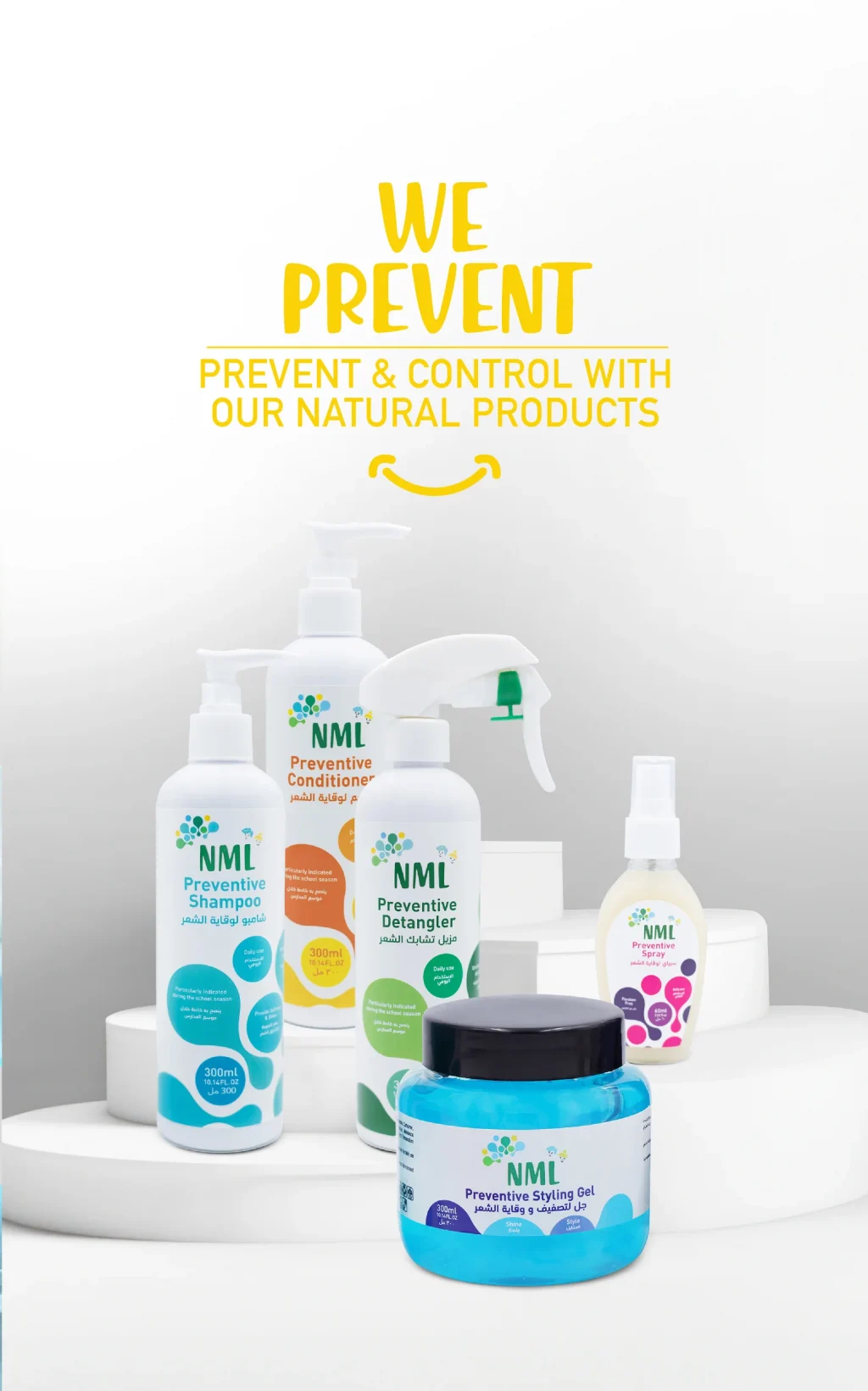
Head lice can remain frustrating even after treatment seems complete. Missed nits, incorrect product use, reinfestation, and resistance can all allow lice to return. Understanding these common problems helps families respond with better timing and practical steps. With the right routine and suitable products, finding the best lice treatment becomes easier and results become much more reliable.
Using the wrong treatment method
Some treatments fail because users select a product without checking its instructions or active ingredients. A product may target live lice while leaving eggs behind, so another application at the recommended interval becomes necessary. Follow the label exactly, use the stated amount, and avoid mixing different treatments unless a healthcare professional advises it. Excessive product use does not guarantee better results and may irritate the scalp.
Missing nits during treatment
Lice eggs attach firmly near the scalp and can remain after live lice disappear. A fine toothed lice comb helps remove these eggs and any remaining insects. Work through small sections of damp hair and wipe the comb after every pass. Repeat combing regularly according to treatment guidance. This simple step helps reduce the chance of surviving lice starting another cycle.
Reinfestation at home or school
Lice spread mainly through direct head to head contact. Sharing combs, brushes, hats, pillows, or similar personal items may also contribute to transmission. Check household members when one person has an infestation, especially people who share close contact. Wash recently used bedding, towels, and clothing according to recommended care instructions. Avoid excessive cleaning of the entire home because lice survive poorly away from the scalp.
Using treatment at the wrong time
Timing matters because lice eggs may hatch after the first treatment. Many products therefore call for a second application after a specific interval. Skipping that step may allow newly hatched lice to mature and reproduce. Set a reminder for the recommended date and follow the product instructions closely. Avoid repeating applications too frequently, since this may irritate the scalp without improving control.
When treatment still does not work
Persistent live lice after correct treatment may signal resistance, incorrect application, or reinfestation. Speak with a pharmacist or healthcare professional if live lice remain after following the full product instructions. They may suggest another approved treatment or a different approach. Avoid using household chemicals or unapproved substances on the scalp. Prompt advice helps families choose a safer next step.