The Guide To Maintaining Your CNC Machine For Longevity
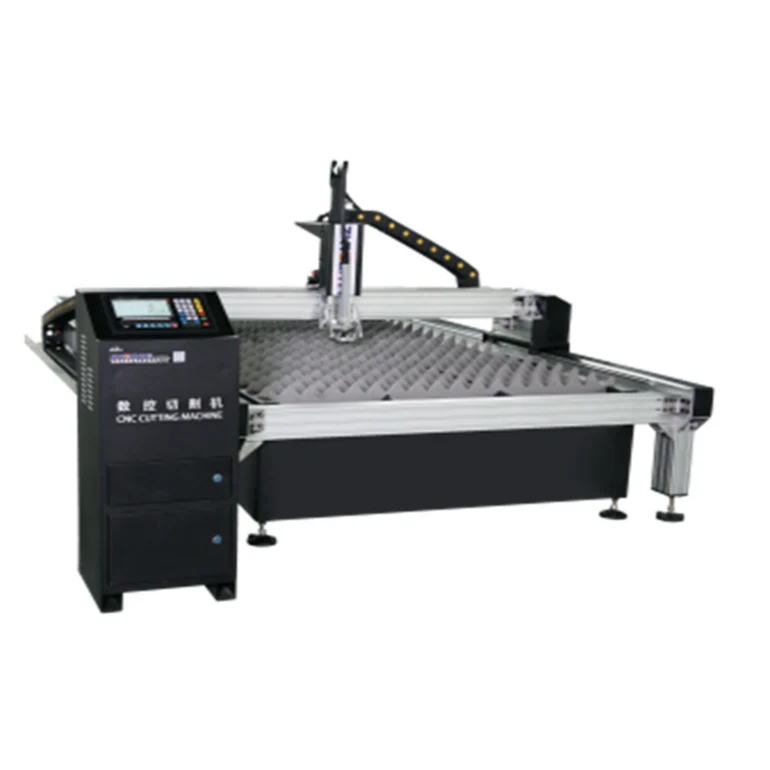
Smooth CNC operation starts with a clean work area. Dust, chips, oil, and metal scraps can gather around moving parts and affect machine performance. Operators clean the table, cutting area, tools, and surrounding surfaces after each production session. Clean CNC machines in UAE also make it easier to spot loose parts, leaks, or unusual wear before they cause larger issues.
Check moving components
Moving components receive regular checks during routine maintenance. Operators inspect rails, bearings, screws, belts, and other mechanical parts for signs of wear. Proper lubrication keeps these components moving smoothly and reduces friction. Staff also follow the machine maker’s recommended lubricant type and service intervals for better results.
Inspect cutting tools
Sharp cutting tools support clean cuts and steady production. Dull or damaged tools place extra pressure on the spindle and workpiece. Operators inspect cutters before use and replace damaged tools promptly. They also store tools in dry, secure locations to protect cutting edges from damage and corrosion.
Monitor the spindle
The spindle serves as one of the main working components of a CNC machine. Operators listen for unusual sounds, watch for excessive vibration, and check spindle temperature during operation. Strange noise or heat can signal a mechanical issue. Early inspection helps technicians address small faults before they affect production.
Check electrical systems
Electrical connections also deserve regular inspection. Operators check cables, switches, connectors, control panels, and cooling fans for visible damage. Loose connections may cause sudden machine errors or interruptions. Technicians inspect these areas according to the manufacturer’s service schedule and replace worn electrical parts with suitable components.
Keep software updated
CNC machines rely on software and control systems for accurate operation. Technicians check software versions, machine settings, backups, and controller performance. They also save important programs and configuration data in secure locations. Reliable backups protect production files if a computer or control system develops a fault.
Follow a maintenance schedule
A simple maintenance schedule keeps routine tasks organized. Daily cleaning, weekly inspections, monthly checks, and scheduled professional servicing give operators clear maintenance targets. Staff record completed tasks and note unusual sounds, worn components, or recurring errors.
Regular maintenance protects machine performance and supports longer equipment life. Consistent servicing also reduces unexpected downtime and helps production teams keep work moving smoothly. For workshops that rely on CNC machines, a strong maintenance routine supports reliable output and better equipment value.