A Metal Fabricator’s Guide For Architects And Designers
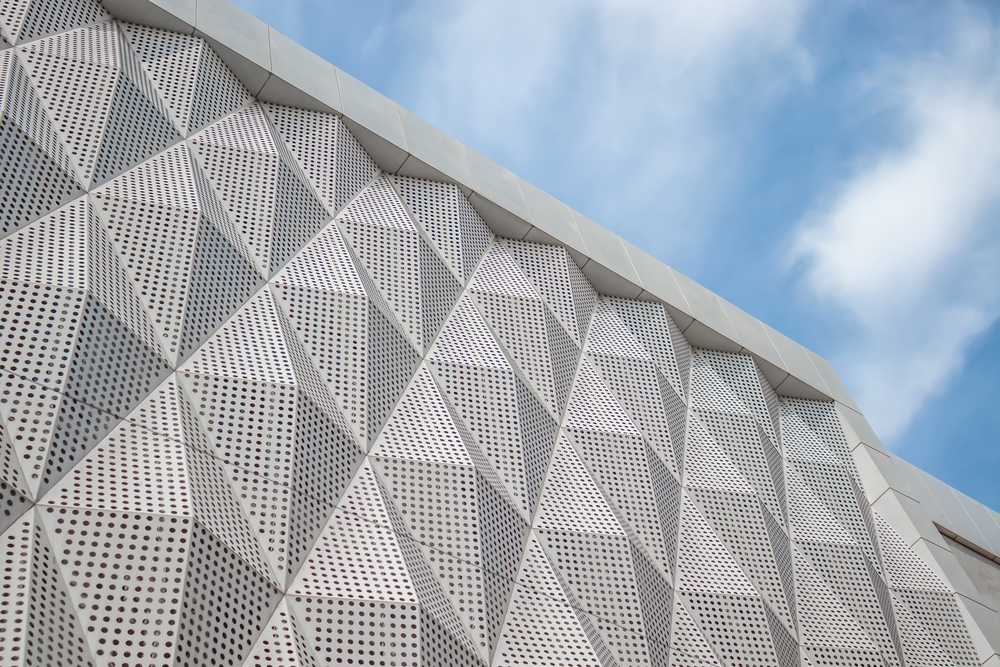
An ambitious architectural design can look impressive on paper but become difficult to execute when material limitations, fabrication methods, or structural requirements are overlooked. Metal detailing, joint design, tolerances, finishes, and load considerations all influence what can be achieved in the workshop and on site.
Early collaboration with experienced metal fabricators can help architects refine designs, avoid costly revisions, and turn creative concepts into practical, precisely manufactured structures.
Define the project requirements
Start with a clear brief covering dimensions, material preferences, finish, intended use, and site conditions. Share drawings, reference images, and performance expectations with the fabrication team. Discuss load requirements, exposure to moisture, temperature changes, and maintenance demands. A detailed brief helps fabricators assess feasibility and recommend suitable materials before production begins.
Select suitable metal materials
Steel, stainless steel, aluminium, brass, and copper each offer distinct properties. Steel suits structural frames and heavy-duty components, while stainless steel provides corrosion resistance in demanding environments. Aluminum offers a lighter option for panels and decorative features. Brass and copper add warmth to interior details. Match material properties with the project’s function and visual character.
Review drawings and fabrication details
Technical drawings connect design intent with workshop production. Architects should confirm dimensions, thicknesses, joint positions, tolerances, fixing points, and edge details before approving fabrication. Clear specifications reduce confusion during cutting, bending, welding, and assembly. Digital models and shop drawings also help teams identify clashes and resolve measurements before materials enter production.
Discuss finishes and appearance
Surface finishes influence the final character and durability of metalwork. Powder coating offers colour options and a protective layer, while brushing gives stainless steel a refined texture. Polishing produces a reflective surface, and galvanising helps protect steel against corrosion. Request finish samples and review them in suitable lighting before making final selections.
Coordinate fabrication with site work
Good coordination keeps workshop output aligned with construction progress. Share installation dates, access restrictions, lifting arrangements, and delivery requirements with the fabricator. Confirm how large components enter the building and fit within available spaces. Early coordination helps prevent transport difficulties, site alterations, and delays during installation.
Check quality before approval
Quality checks should cover dimensions, welds, surface finish, alignment, and connection details. Ask the fabricator to provide inspection records and relevant material information. Review samples or completed components before approving a large production run. Regular communication helps the design team address concerns while changes remain manageable.