The Legal Side Of Car Lift Installation Most Owners Ignore
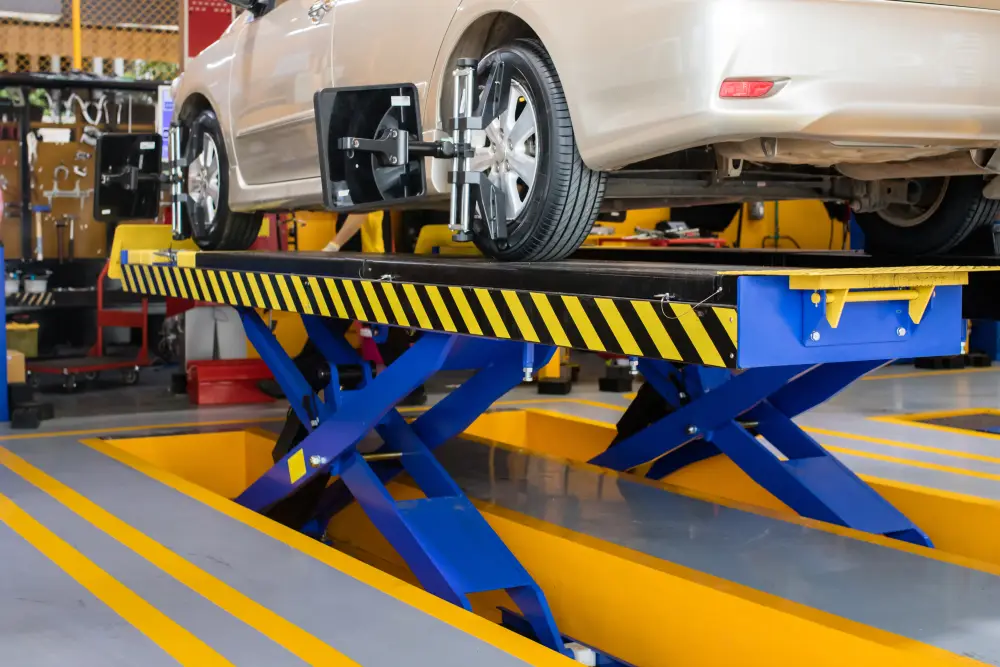
Installing a car lift may seem like a straightforward property upgrade, but legal details deserve equal attention. Building permissions, safety standards, and insurance terms all affect the project. Owners researching car lift installation UAE services should check local approval rules early, since missing documents or unauthorised structural changes can lead to costly disputes later.
Building permits and approval requirements
Local authorities regulate structural modifications, equipment placement, and building safety. Owners must obtain relevant permits before installation begins. Residential buildings, commercial properties, and shared parking facilities may follow different approval procedures.
Authorities review structural drawings, technical specifications, and proposed installation locations. Starting work without proper authorization may result in fines, project delays, or removal orders. Checking municipal regulations early helps owners avoid unnecessary complications.
Structural safety and engineering compliance
A car lift places considerable weight on floors, foundations, and supporting structures. Structural engineers assess load capacity, reinforcement requirements, and ground stability before installation. Property owners must ensure that the equipment meets applicable engineering standards and manufacturer specifications.
Improper structural modifications may threaten building integrity and expose owners to legal liability. Documented engineering assessments provide valuable evidence of compliance during inspections and future property transactions.
Insurance coverage and liability concerns
Standard property insurance may exclude certain risks associated with vehicle lifting equipment. Owners should review their policies and discuss installation details with insurers before work begins. Coverage must address equipment damage, property incidents, third party injuries, and operational risks.
Commercial properties may also require additional liability protection. Accurate documentation and appropriate insurance coverage help owners manage financial exposure when unexpected incidents occur.
Maintenance obligations and safety inspections
Legal responsibilities do not end when technicians complete installation. Owners must arrange regular inspections, maintain service records, and address mechanical faults promptly. Applicable regulations may require certified inspectors to examine safety mechanisms, lifting cables, hydraulic systems, and emergency controls.
Neglecting maintenance may lead to penalties and liability after an accident. A documented inspection schedule supports compliance and demonstrates responsible equipment management.
Protecting property owners through legal preparation
Clear contracts establish responsibilities between owners, contractors, suppliers, and maintenance providers. Agreements should specify installation standards, warranties, project timelines, insurance requirements, and dispute resolution procedures. Owners also benefit from retaining permits, inspection reports, and equipment certifications.